Sometimes life doesn’t feel bad.
Just aggressively unremarkable.
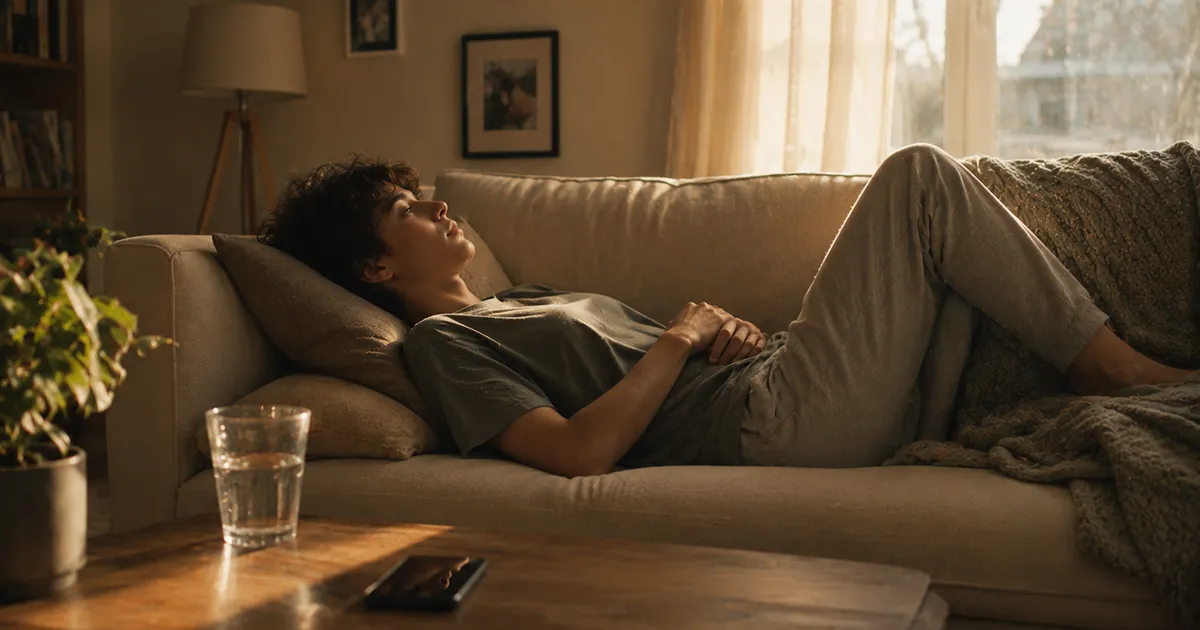
You wake up. Check your phone. Work. Eat something forgettable. Do a few chores. Scroll until your brain feels mildly hollow.
Repeat tomorrow.
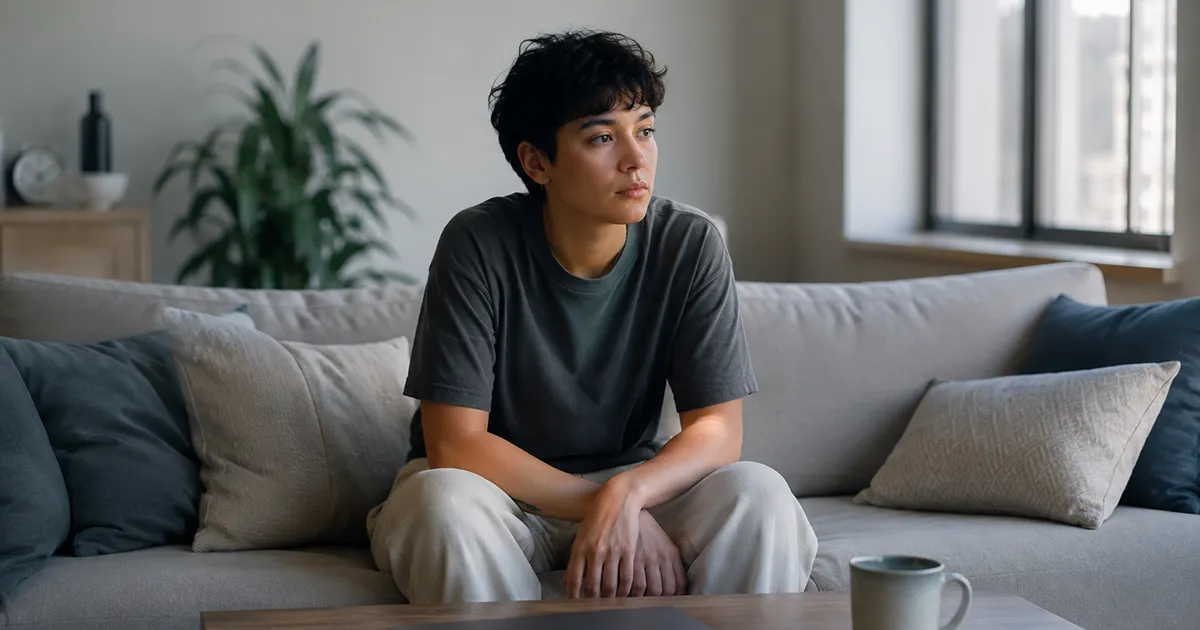
This is why so many people feel emotionally flat even when nothing is technically wrong.
Life starts feeling less like living and more like maintenance.
That’s part of why the idea of romanticizing your life habits became so popular.
Not because everyone suddenly wants their life to look like an indie film.
Because a lot of people are tired of feeling like background characters in their own routine.
🌷 Romanticizing Your Life Is Not Just About Aesthetics
People often misunderstand this trend.
They hear “romanticize your life” and imagine:
- expensive candles
- matching linen sheets
- elaborate morning routines
- pretending your grocery trip is cinematic
That version is mostly branding.
The actual useful version is much simpler.
Romanticizing your life usually means paying slightly more attention to your own experience.
Noticing small things.
Adding tiny moments of intentionality.
Making ordinary routines feel a little less emotionally beige.
Romanticizing your life is less about making life look prettier and more about making it feel more noticeable.
😶 Why Your Life Feels Repetitive So Fast
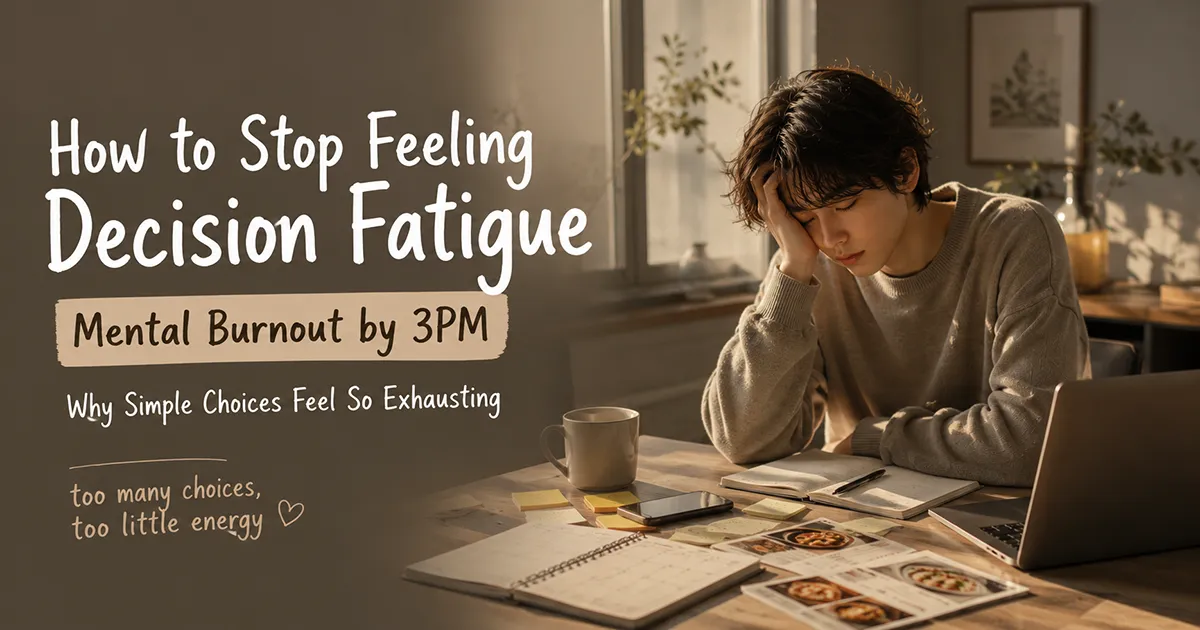
A lot of adult life becomes operational.
You are constantly managing things:
- work
- errands
- messages
- appointments
- groceries
- logistics you did not ask for
This creates a weird emotional side effect.
Your days become functional but forgettable.
Nothing is especially bad.
But very little feels emotionally textured either.
That flatness can quietly drain people more than obvious stress.
“Sometimes the problem isn’t that life is terrible. It’s that it has become too automatic.”
This is often why people feel restless, bored, or vaguely disconnected from their own life.
Not because they need a dramatic change.
Because they need more moments that actually register.
☕ Small Habits That Make Life Feel Better
This is where the whole idea becomes practical.
You do not need a new identity.
Usually you just need more moments your nervous system can actually notice.
Small examples:
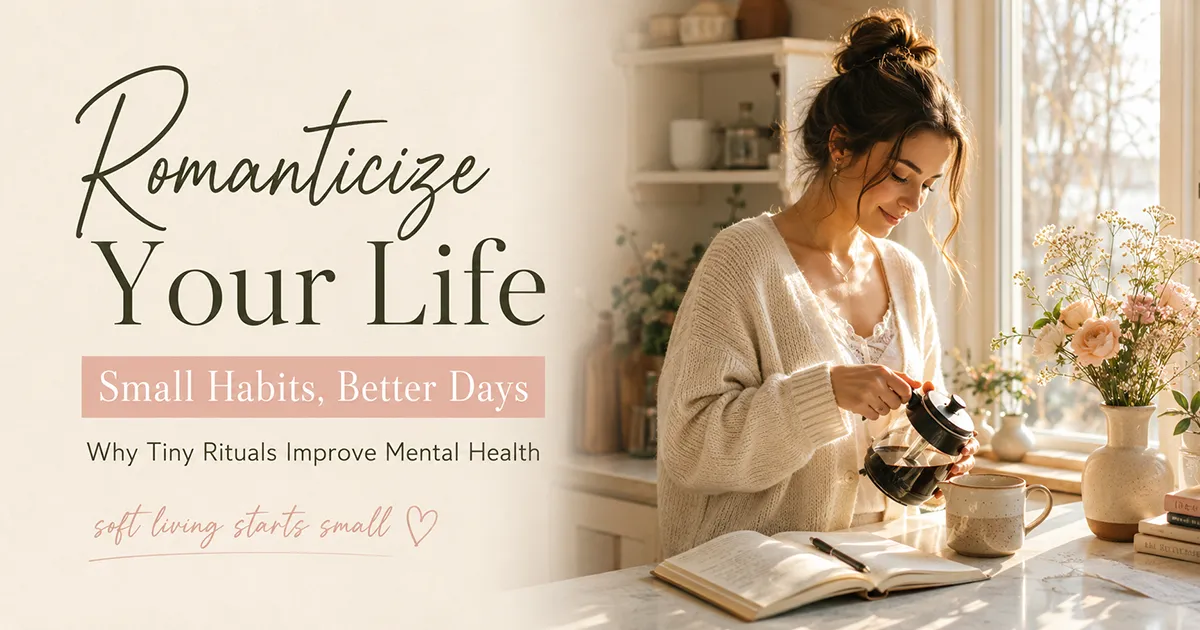
- making coffee without immediately opening your phone
- using your nice mug on a random Tuesday
- walking without rushing for once
- buying flowers for no reason other than visual morale
- playing music while cooking
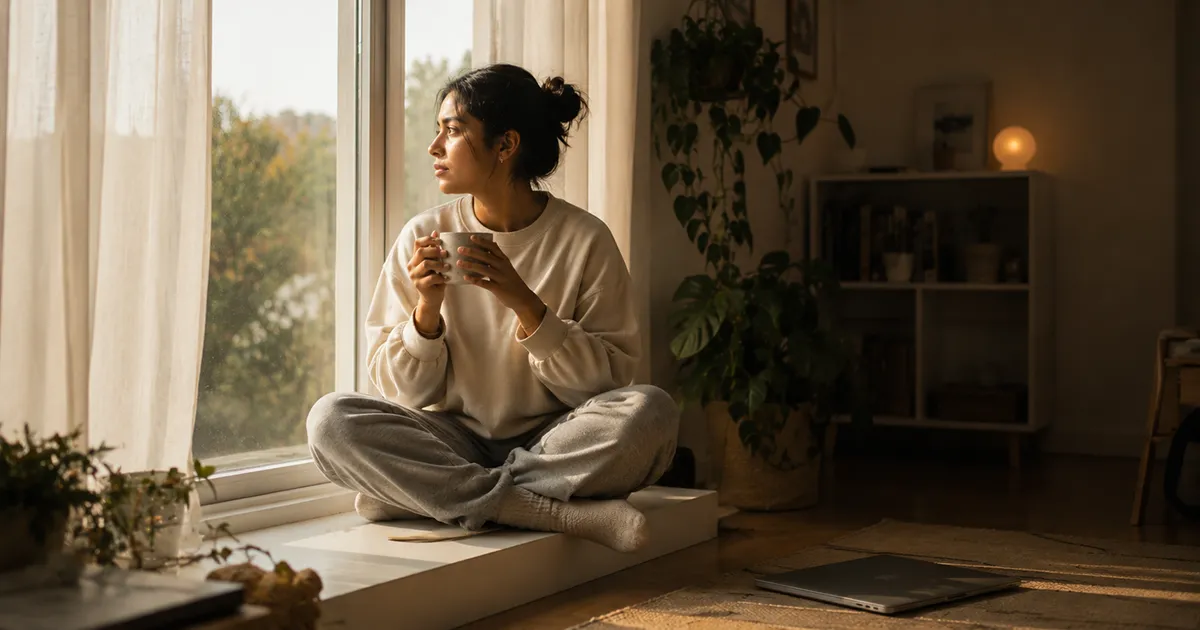
- sitting near a window for five extra minutes
These are not life-changing habits.
That is exactly why they work.
They are small enough to be sustainable.
- Light a candle while working or reading
- Plate your food instead of eating out of containers
- Open a window in the morning
- Take a short walk without multitasking
- Keep one small routine you actually enjoy
🧠 Why This Actually Helps Mental Health
Tiny rituals create emotional punctuation.
Without them, days blur together.
Everything starts feeling like one long administrative task.
Small intentional habits interrupt that pattern.
They create micro-moments of:
- presence
- comfort
- predictability
- sensory enjoyment
And weirdly, that matters a lot.
Mental health is not only shaped by major life events.
It is also shaped by how your normal days feel.
A life made entirely of efficiency tends to feel emotionally dry.
A little softness helps.
A surprisingly effective form of self-care is simply making your day feel 5% less mechanical.
🌿 How to Romanticize Your Daily Routine Without Making It Weird
You do not need to perform a lifestyle.
This is where people overcomplicate it.
A useful version of how to romanticize your daily routine is mostly about reducing emotional friction.
Ask:
- What part of my day feels unnecessarily harsh?
- What routine feels cold, rushed, or joyless?
- What tiny upgrade would make this feel slightly nicer?
Examples:
Instead of:
- eating lunch at your desk while answering emails
Try:
- taking 20 actual minutes to eat somewhere else
Instead of:
- speed-running your evening before bed
Try:
- making one part of your night slower on purpose
Romanticizing your life is mostly about reclaiming tiny moments from autopilot.
Not pretending your life is more glamorous than it is.
📱 The Soft Living Trend Makes Sense Right Now
The rise of the soft living lifestyle trend is not random.
A lot of people are tired.
Not just physically.
Mentally.
Emotionally.
Digitally.
Modern life is optimized for productivity, convenience, and speed.
Not necessarily warmth.
Not necessarily meaning.
Not necessarily enjoyment.
So people naturally start craving slower rituals, softer routines, and environments that feel less harsh.
This is not laziness.
It is often emotional correction.
“When life feels too optimized, people start craving texture.”
✨ Creating Joy in Everyday Life Is Usually Less Dramatic Than People Think
People often wait for bigger things to feel better.
A trip.
A new relationship.
A new apartment.
A major life reset.
But most of life is still ordinary Tuesday material.
Which means creating joy in everyday life matters more than people realize.
Not huge joy.
Just enough to make your day feel slightly more human.
- Wear clothes you actually like at home
- Walk a different route occasionally
- Rewatch a comfort movie intentionally
- Make one meal feel less rushed
- Keep one analog habit (books, journaling, sketching, puzzles)
FAQ
FAQ
What does romanticizing your life actually mean?
Can small habits really improve mental health?
How do I romanticize my daily routine?
Why does my life feel repetitive even when I’m busy?
Conclusion
Romanticizing your life is not about pretending everything is beautiful all the time.
It is about refusing to let your entire existence feel purely functional.
A nicer mug.
A slower morning.
Music while cooking.
Ten extra minutes outside.
None of these things are revolutionary.
That is the point.
Small habits often do a surprisingly good job making life feel warmer, calmer, and more like something you are actually inside of.