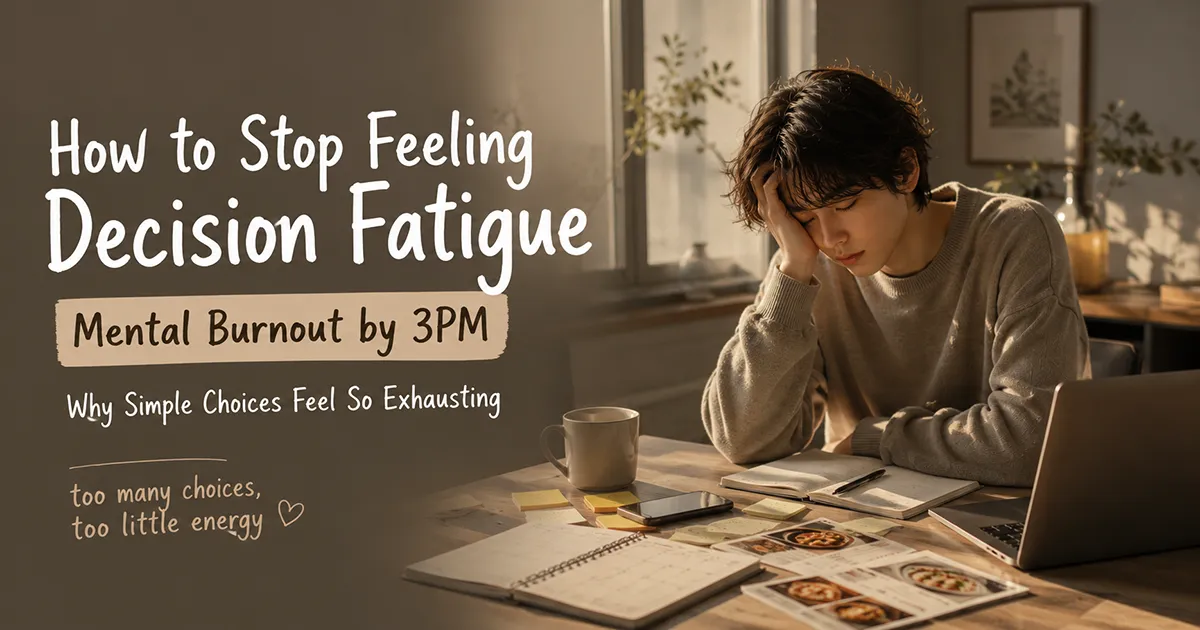
Feeling tired after a long day is normal.
But emotional exhaustion is different.
When you are emotionally drained, even small tasks can feel overwhelming. Conversations become exhausting, motivation disappears, and your mind constantly feels heavy.
Many people experience emotional exhaustion without realizing it. Stress builds slowly over time until your mental energy feels completely depleted.
Here are 10 common signs you may be emotionally drained.
1. You Feel Mentally Exhausted All the Time
Even after resting or sleeping, your mind still feels tired.
Simple decisions may suddenly feel difficult, and concentrating on basic tasks can require more energy than usual.
Mental exhaustion is often one of the earliest signs of emotional overload.
2. Small Problems Feel Overwhelming
When emotional energy is low, even minor inconveniences can feel emotionally intense.
You may become:
- unusually irritated
- emotionally sensitive
- easily frustrated
- mentally overwhelmed
Things that normally would not bother you suddenly feel impossible to handle.
3. You Feel Emotionally Numb
Some emotionally drained people stop feeling “too much.” Others stop feeling much at all.
You may notice:
- less excitement
- emotional detachment
- difficulty enjoying things
- feeling disconnected from yourself
Emotional numbness is often the brain’s way of protecting itself from constant stress.
4. Social Interaction Feels Exhausting
You may start avoiding messages, phone calls, or social plans because interacting with people feels emotionally draining.
Even people you genuinely care about can begin to feel overwhelming when your emotional battery is empty.
5. You Have No Motivation
Tasks that once felt manageable now feel emotionally heavy.
You may struggle to:
- start projects
- reply to messages
- clean your room
- focus on responsibilities
Emotional exhaustion often removes the mental energy needed for motivation.
6. You Overthink Everything
An emotionally drained mind rarely feels calm.
You may constantly replay:
- conversations
- mistakes
- worries about the future
- worst-case scenarios
Overthinking becomes more intense when your nervous system stays under continuous stress.
7. You Feel Irritated More Easily
When emotional energy is depleted, patience becomes harder to maintain.
You may notice yourself:
- becoming annoyed quickly
- reacting emotionally to small issues
- feeling frustrated more often
- struggling to tolerate noise or interruptions
This is a common symptom of emotional overload.
8. You Want to Be Alone More Than Usual
Wanting personal space is healthy.
But emotional exhaustion can create a strong desire to completely withdraw from social interaction.
Sometimes isolation feels easier than explaining how overwhelmed you feel internally.
9. Your Sleep Does Not Feel Restful
Even after sleeping for many hours, you still wake up feeling emotionally tired.
Stress and emotional overload can prevent the mind from fully recovering during rest.
Some people also experience:
- difficulty falling asleep
- racing thoughts at night
- waking up exhausted
- irregular sleep patterns
10. You Feel Like You Are “Surviving,” Not Living
One of the strongest signs of emotional exhaustion is feeling emotionally disconnected from your own life.
Instead of enjoying life, you may feel like you are simply trying to get through each day.
Everything becomes about managing stress rather than actually feeling present or fulfilled.
What Causes Emotional Exhaustion?
Emotional exhaustion can come from many different sources, including:
- chronic stress
- relationship problems
- people-pleasing behavior
- burnout
- emotional overload
- lack of boundaries
- constant pressure to perform
In many cases, emotional exhaustion develops gradually over time rather than appearing suddenly.
How to Recover From Emotional Exhaustion
Recovery usually starts with recognizing that your emotional energy is depleted.
Small changes can help:
- getting proper rest
- reducing overstimulation
- setting healthier boundaries
- spending time alone without guilt
- limiting emotional stress
- talking honestly about how you feel
Emotional recovery takes time, especially if you have been overwhelmed for a long period.
Final Thoughts
Being emotionally drained does not mean you are lazy or weak.
It often means your mind and nervous system have been carrying too much stress for too long.
Ignoring emotional exhaustion usually makes it worse. Paying attention to these signs early can help you recover before burnout becomes more severe.
Take the Emotional Energy Test
Curious about your emotional patterns and mental energy levels?
Take our free personality and emotional wellness test to discover:
- your stress patterns
- emotional energy type
- burnout tendencies
- social energy style
Understanding your emotional state may help you regain balance and mental clarity.