You’ve probably taken the quiz before.
Maybe it was a serious personality assessment.
Maybe it was a random internet test at 2am.
Either way, you probably ended up with one of two labels:
Introvert or extrovert.
And honestly? Most people understand these terms in a very shallow way.
People assume introverts hate socializing.
People assume extroverts love attention.
But the real difference goes much deeper than that.
Introversion and extroversion are not just social preferences.
They’re different ways of processing energy, stimulation, and interaction with the world.
And once you understand that, a lot of your own behavior suddenly starts making more sense.
🧠 It’s Not About Being Shy or Outgoing
This is the biggest misconception.
Introverts are not automatically shy.
Extroverts are not automatically confident.
Shyness is related to social anxiety and fear of judgment.
Introversion and extroversion are about something else entirely:
Where your energy comes from — and what drains it.
Psychologist Carl Jung introduced the introvert/extrovert framework in the 1920s. His theory focused on the direction of mental energy: inward for introverts and outward for extroverts.
Extroverts tend to feel energized after social interaction.
Conversations, group settings, activity, and stimulation often increase their energy.
Introverts usually experience the opposite effect.
Even if they enjoy socializing, too much stimulation eventually becomes draining. They recharge through solitude, quiet environments, or low-stimulation activities.
That’s the real difference.
Not confidence.
Not popularity.
Not social skill.
Energy.
🌙 What Life Feels Like as an Introvert
If you’re an introvert, this experience probably feels familiar:
You go out.
You socialize.
You genuinely enjoy yourself.
And then afterward?
You feel completely exhausted.
Not sad.
Not antisocial.
Just depleted.
Like your social battery quietly died halfway through the night.
“Introverts don’t dislike people. They simply experience prolonged social interaction as energetically expensive.”
Introverts tend to process internally before speaking.
They often prefer:
- smaller groups
- deeper conversations
- quieter environments
- meaningful connection over constant interaction
Many introverts also become overstimulated in loud or chaotic environments.
Not because they’re weak.
Because their nervous systems are more sensitive to external stimulation.
- Recharges through solitude or quiet environments
- Prefers depth over small talk
- Processes thoughts internally before speaking
- Gets overstimulated in loud settings
- Values alone time without feeling lonely
- Often highly self-aware and reflective
None of this means introverts are antisocial.
Some introverts are incredibly charismatic and socially skilled.
They simply use social energy differently.
⚡ What Life Feels Like as an Extrovert
Extroverts often experience the opposite pattern.
Too much isolation can actually make them feel restless, flat, or emotionally low.
Social interaction energizes them.
Conversation helps them think.
Activity helps them feel engaged.
External stimulation often increases motivation.
If you’re an extrovert, you’ve probably experienced leaving a social event feeling more energized than when you arrived.
The environment didn’t drain you.
It activated you.
Research suggests extroverts may have a more dopamine-responsive reward system, meaning social interaction can feel more stimulating and rewarding to them neurologically.
Extroverts also tend to:
- process thoughts out loud
- enjoy spontaneous interaction
- adapt quickly to social environments
- seek stimulation and novelty
- Gains energy through people and activity
- Comfortable in group settings
- Processes ideas through conversation
- Enjoys stimulation and variety
- Often appears expressive or enthusiastic
- Can feel restless after too much alone time
In many Western cultures, extroverted behavior is often treated as the default.
That can make introverts feel like something is wrong with them when there isn’t.
🎛️ Most People Are Actually Somewhere in the Middle
Here’s the interesting part:
Very few people are completely introverted or completely extroverted.
Most people exist somewhere between the two.
Psychologists often call these people ambiverts.
Ambiverts can enjoy social interaction and solitude in relatively equal amounts depending on the situation.
They adapt more flexibly to different environments.
And honestly, this probably describes more people than either extreme.
“Introversion and extroversion are not fixed boxes. They’re tendencies along a spectrum.”
You may even notice yourself shifting depending on:
- stress levels
- work environments
- relationships
- emotional state
- life stage
That’s normal.
Human personality is flexible.
❤️ Why Introvert vs Extrovert Actually Matters
Understanding your energy style isn’t just interesting psychology trivia.
It affects real life in important ways.
💬 In Relationships
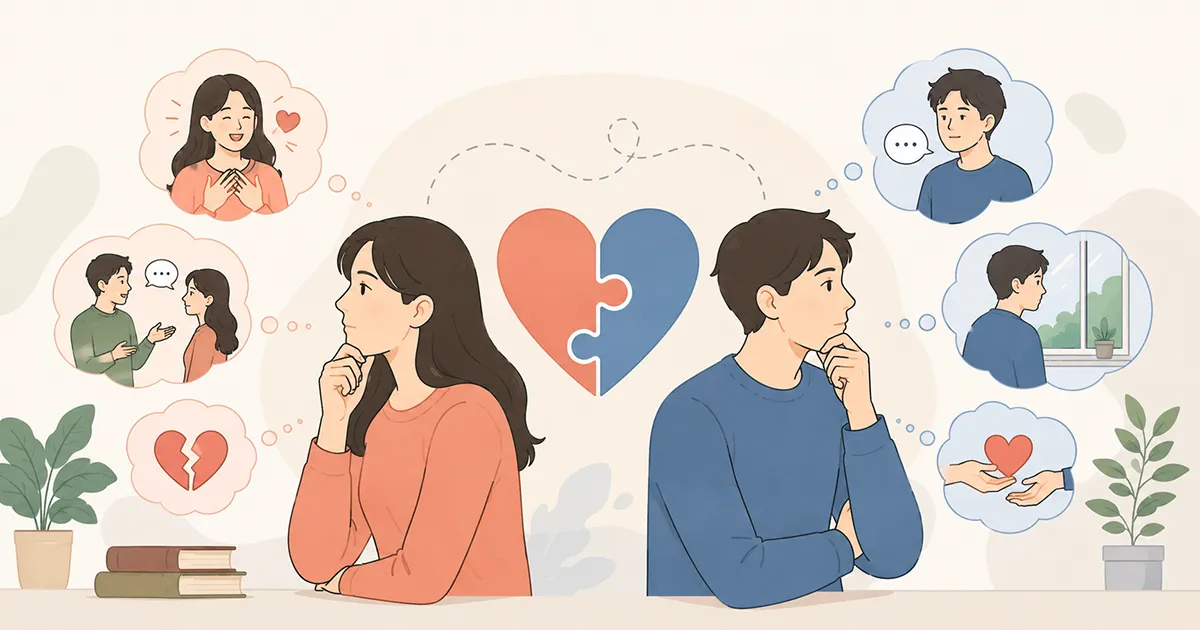
Introvert-extrovert relationships are extremely common.
And they can work beautifully — if both people understand each other’s needs.
Problems usually happen when people personalize energy differences.
For example:
- an extrovert may interpret alone time as rejection
- an introvert may feel overwhelmed by constant interaction
Communicating energy needs clearly can prevent a huge amount of relationship conflict. “I need quiet time to recharge” sounds very different from emotional withdrawal.
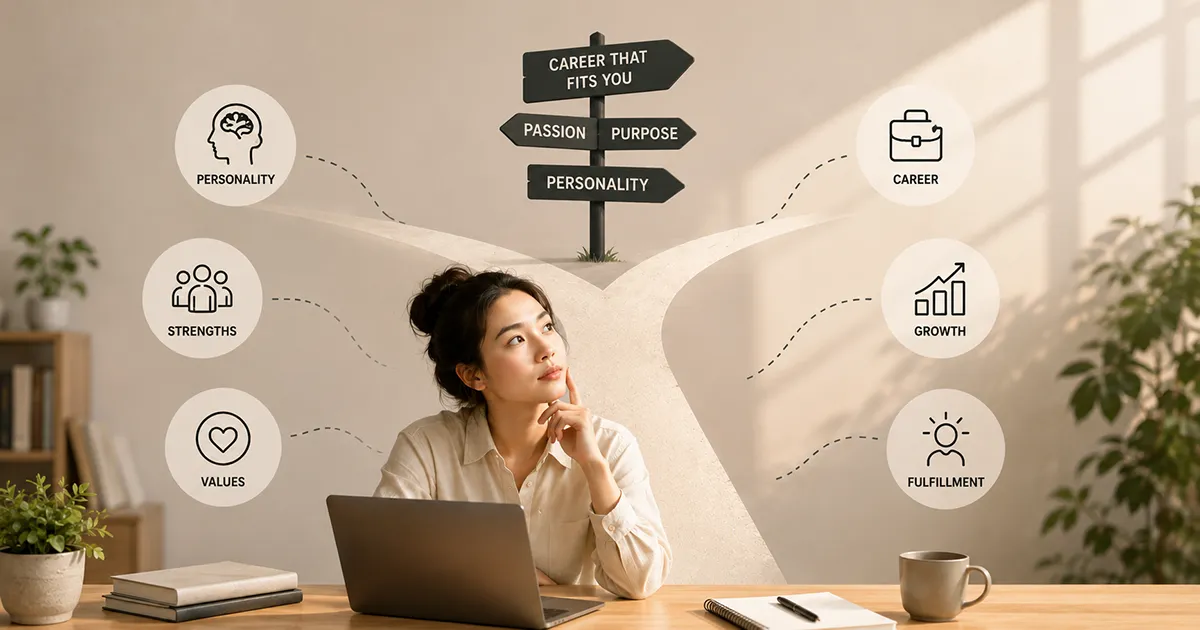
💼 At Work
Modern workplaces often favor extroverted behavior:
- constant meetings
- collaboration
- open offices
- nonstop communication
But many introverts do their best work in focused, uninterrupted environments.
Understanding this can help you create conditions where your brain actually functions well instead of forcing yourself into exhausting environments constantly.
🪞 In How You See Yourself
This may be the most important part.
A lot of introverts grow up feeling:
- too quiet
- too serious
- too reserved
Meanwhile, extroverts are often told they’re:
- too loud
- too energetic
- too much
But these traits are not flaws.
They’re simply different nervous system patterns.
And each comes with strengths.
🔍 How to Tell Whether You’re More Introverted or Extroverted
If you’re unsure where you fall, ask yourself this:
After a long social day, what feels more appealing?
More stimulation?
Or being alone to recover?
That instinct usually tells you more than any online quiz.
- Do social events leave you energized or drained?
- Do you process thoughts internally or out loud?
- Does too much alone time feel peaceful or uncomfortable?
- Do you prefer deep conversations or frequent interaction?
- When stressed, do you seek people or withdraw temporarily?
There’s no correct answer.
Only the answer that reflects how your brain naturally operates.
FAQ
Can someone be both introverted and extroverted?
Is introversion the same as social anxiety?
Do introverts dislike people?
Can personality type change over time?
Why does society seem to favor extroverts?
✨ Conclusion
At the end of the day, introvert vs extrovert is not a competition.
Neither type is better.
They are simply different ways of interacting with energy, stimulation, and the world around you.
If you’re an introvert, your need for quiet is not weakness.
It’s recovery.
If you’re an extrovert, your need for people is not neediness.
It’s fuel.
And if you’re somewhere in the middle, you’re probably more normal than you think.
The important thing is not forcing yourself into someone else’s personality style.
It’s understanding how your own mind works well enough to build a life that actually supports it.