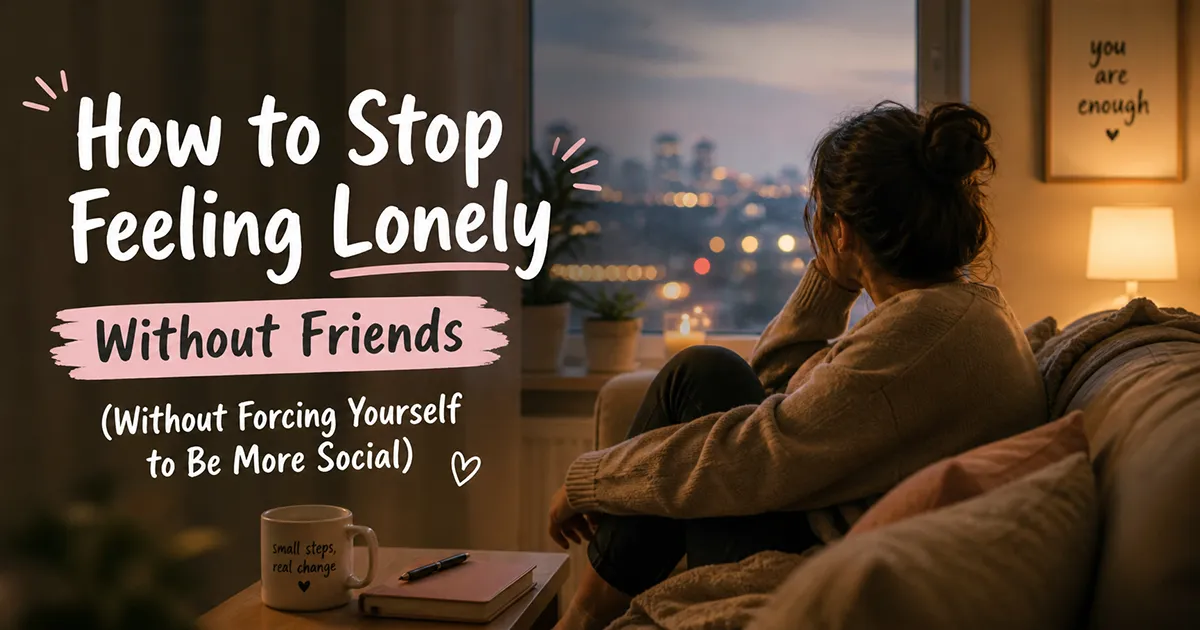
Scrolling through social media can make it feel like everyone else is constantly surrounded by people. Group dinners. Weekend trips. Birthday parties with 14 matching cocktails. Meanwhile, you’re eating takeout alone wondering if something somehow went wrong.
That gap can feel brutal.
And honestly? A lot of adult loneliness isn’t about being physically alone. It’s about feeling emotionally disconnected while the world keeps performing connection in high definition.
If you’re searching for how to stop feeling lonely without friends, you’re probably not looking for fake positivity or “just put yourself out there” advice. You want something more realistic: how to feel less emotionally isolated when your life doesn’t currently include a solid friend group.
The good news is that loneliness and friendship are related, but they are not the same thing.
Not having close friends right now does not automatically mean your life is broken.
🫂 Why Loneliness Feels So Much Worse in Adulthood
As kids and teens, relationships are kind of built into life. School forces proximity. Clubs create repetition. Shared routines make friendship formation weirdly automatic.
Adult life removes all of that.
Suddenly, friendships require scheduling, emotional bandwidth, compatible lifestyles, and actual effort from both sides. People move, get married, burn out, become caretakers, or disappear into work.
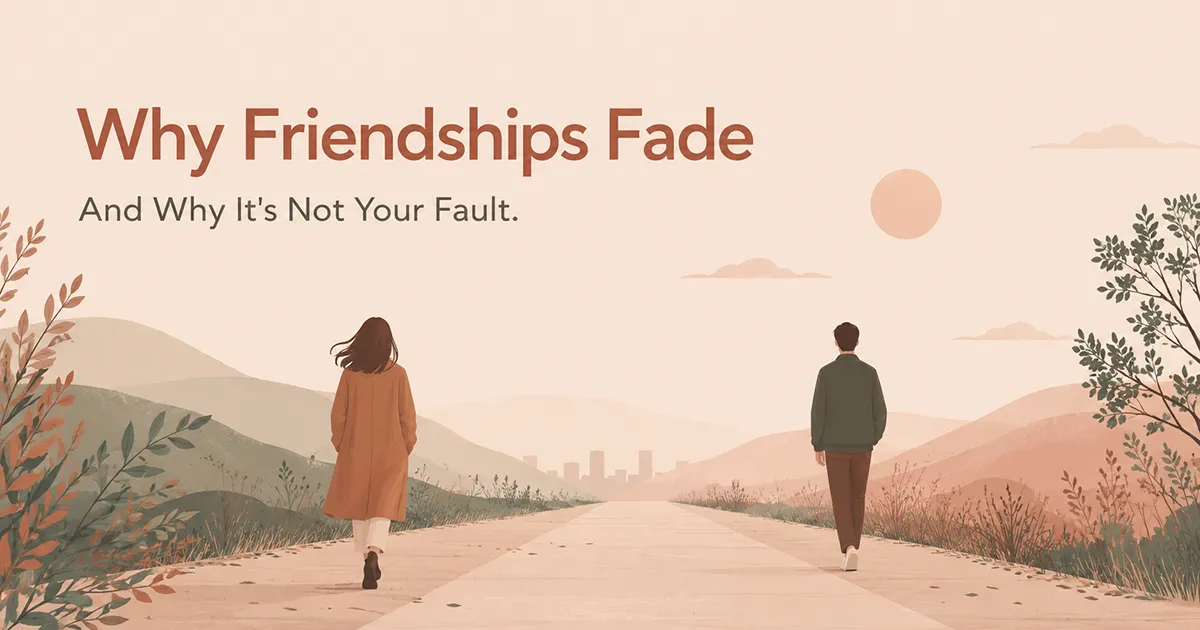
So if your friendships faded, it doesn’t necessarily mean you “failed socially.”
It often means your environment changed.
“Adult loneliness can feel personal, even when it’s mostly structural.”
This is why loneliness hits differently after your 20s. You’re not just missing company. You’re often grieving a version of life you thought you’d have by now.
A social circle. A go-to person. Plans that happen without effort.
And when that reality doesn’t match? The loneliness gets layered with shame.
📱 Why Social Media Makes You Feel Even More Left Behind
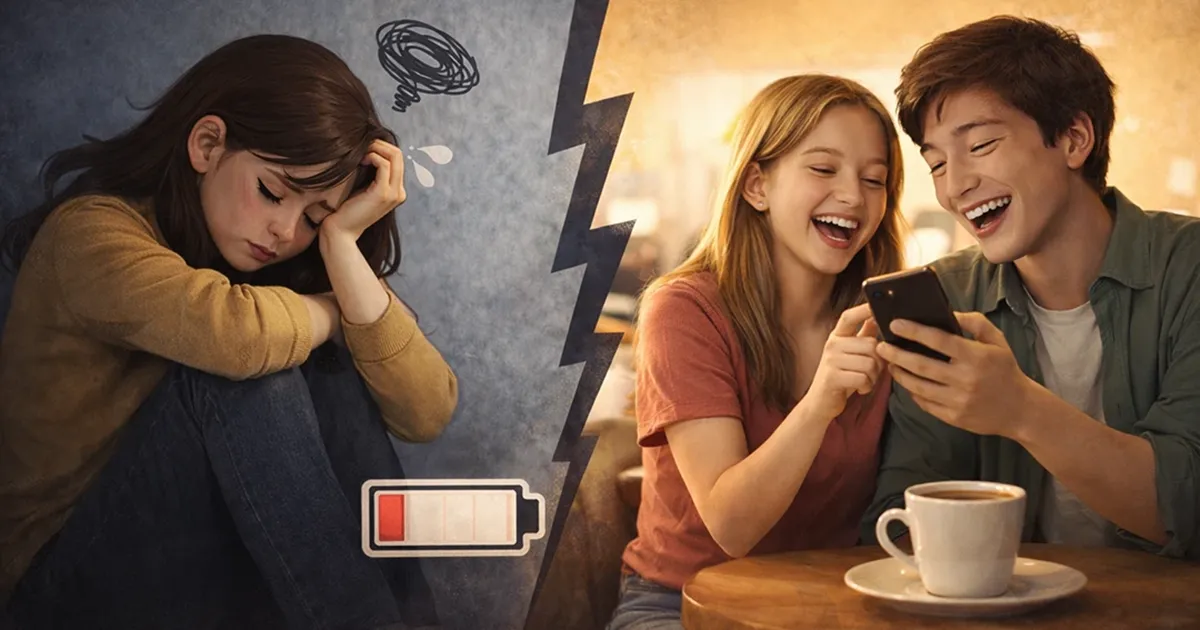
Platforms like Instagram, TikTok, and Snapchat are basically highlight reels of visible belonging.
You don’t see:
- canceled plans
- shallow friendships
- social anxiety
- emotional disconnection inside group chats
You only see evidence that other people appear connected.
That visual overload can quietly create a false belief:
Everyone has their people except me.
Which is kind of devastating when you internalize it long enough.
The problem isn’t necessarily social media itself. It’s the constant comparison to curated intimacy.
You start measuring your life against snapshots.
- Fear of being forgettable
- Anxiety about “wasting” your youth
- Shame around not having a core friend group
- Hyper-awareness of weekends, holidays, birthdays
If you already feel disconnected, this comparison loop can intensify emotional isolation fast.
Sometimes the healthiest move is reducing exposure to content that makes loneliness feel like personal evidence.
🧠 Friendship Absence Is Not the Same as Personal Deficiency
This matters more than people realize.
Many adults without close friends assume there must be something fundamentally wrong with them.
Too awkward. Too boring. Too introverted. Too emotionally intense.
But human relationships are heavily influenced by timing, geography, life stage, energy, and access.
You can be deeply likable and still socially disconnected.
You can be emotionally intelligent and still lonely.
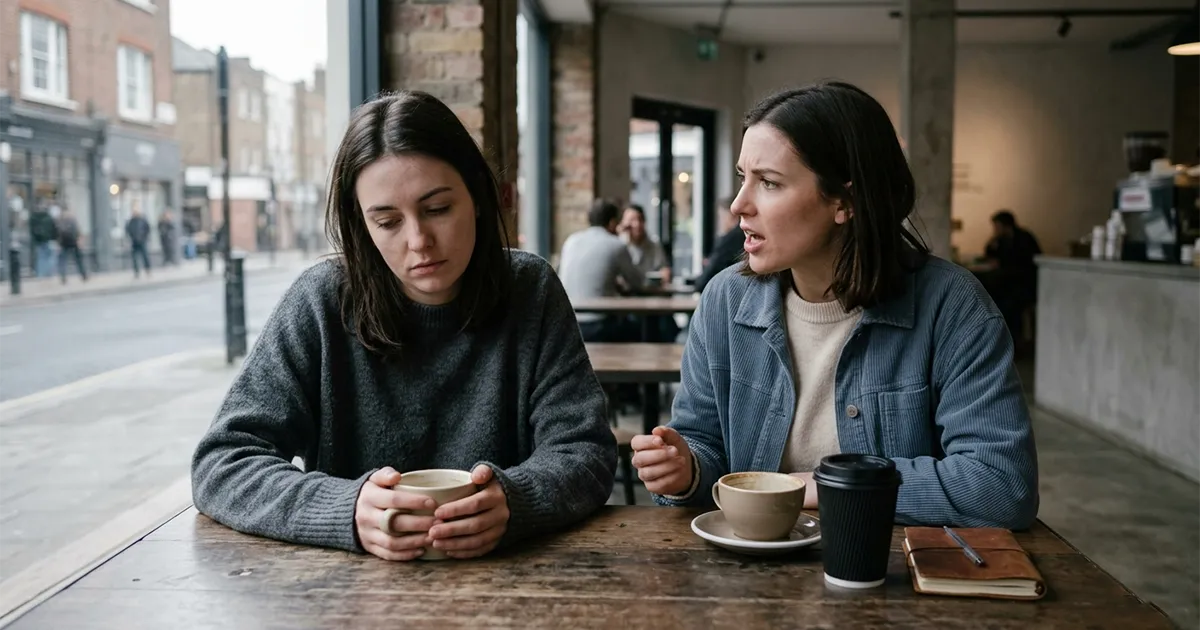
You can care about people and still not have “your people” right now.
Lowkey, a lot of loneliness comes from assigning moral meaning to neutral life circumstances.
Not every empty social season is a character flaw.
🔋 Understanding Introvert Recharge and Emotional Energy
For some people, loneliness gets more confusing because they genuinely enjoy solitude.
You might need alone time. You might feel drained by too much social interaction. You might strongly relate to introvert recharge patterns.
But enjoying solitude and feeling lonely can coexist.
That’s the tricky part.
Introverts and energy work differently from highly extroverted people. Social interaction can be meaningful while still draining.
So you may think:
“If people tire me out, why do I still feel lonely?”
Because loneliness isn’t always a demand for more people.
Sometimes it’s a need for deeper resonance.
You don’t necessarily want more conversation. You want more emotional recognition.
That distinction changes everything.
🌱 How to Stop Feeling Lonely Without Friends
This is the practical part. Not “make 10 new friends by next Tuesday.”
Just ways to reduce loneliness in your current reality.
Create Predictable Human Contact
Random isolation feels heavier than intentional solitude.
Try building repeated low-stakes interactions into your week:
- same coffee shop
- same gym class
- library visits
- volunteering
- coworking spaces
- local hobby meetups
You don’t need instant friendship.
You need familiarity.
Repeated exposure reduces the emotional intensity of total isolation.
Build a Life That Feels Witnessed
Loneliness often includes a lack of psychological visibility.
No one knows what your day looked like. No one notices your wins or bad moods.
That can feel weirdly hollow.
Ways to create “witnessed” experiences:
- journaling like you’re talking to someone
- voice notes to yourself
- posting thoughtfully in niche communities
- therapy or support groups
- regular check-ins with family, even if imperfect
Being emotionally witnessed matters.
Not all connection has to come from friendship.
Make Your Space Feel Less Emotionally Empty
Environment affects loneliness more than people think.
A silent, empty room after work can amplify emotional isolation.
Try:
- ambient music
- podcasts with conversational energy
- warm lighting
- routines around meals
- leaving the house daily, even briefly
These don’t replace relationships, obviously.
But they reduce the sensory experience of emptiness.
And weirdly enough, that helps.
- Morning walk with a podcast
- Reading in public spaces
- Weekly recurring class or activity
- Cooking one intentional meal
- Limiting doom-scroll sessions
Stop Waiting for Life to Begin After Friendship
A lot of lonely people accidentally pause their own life.
They think: “I’ll travel when I have people.” “I’ll try that restaurant with friends.” “I’ll start living once I’m less alone.”
That mindset quietly reinforces deprivation.
Go anyway.
Take yourself places. Create memories. Develop preferences.
A meaningful life should not be permanently postponed until your social circumstances improve.
“Your life is still your life, even in lonely seasons.”
💬 Redefining What Connection Can Look Like
Connection doesn’t have to mean:
- a huge friend group
- constant texting
- weekly plans
Sometimes connection is smaller and less cinematic.
It might look like:
- one online community you genuinely like
- a coworker you chat with consistently
- weekly calls with a sibling
- familiar faces at a bookstore
This matters because all-or-nothing thinking makes loneliness harsher.
If your definition of connection is too narrow, you’ll overlook real sources of relational nourishment.
Connection is a spectrum.
Not a binary.
🚫 What Usually Makes Loneliness Worse
Some coping habits accidentally deepen loneliness.
Watch out for:
- excessive social media comparison
- isolating for days at a time
- idealizing past friendships
- assuming everyone already has permanent social circles
- refusing all micro-connections because they aren’t “real enough”
Loneliness can make your brain hyper-selective.
It starts rejecting imperfect connection while craving ideal connection.
That’s an impossible setup.
Don’t confuse “not my ideal relationship” with “emotionally meaningless.” Small connection still matters.
FAQ
Can you be happy without friends?
Why do I feel lonely even though I like being alone?
Is it normal to have no friends as an adult?
How do introverts deal with loneliness?
🌤️ Conclusion
Learning how to stop feeling lonely without friends is less about forcing yourself into artificial social situations and more about understanding what loneliness is actually asking from you.
Sometimes it’s asking for connection. Sometimes structure. Sometimes emotional witnessing. Sometimes just a life that feels less paused.
Not having close friends right now is not proof that you’re behind in life.
It’s just a chapter.
And chapters change.
In the meantime, your job isn’t to perfectly solve loneliness overnight.
It’s to make your days feel a little less emotionally empty, a little more intentional, and a little more connected to yourself.
That counts too.